Nobody wants to move twice in a downsize
The median house in Patchogue sold for $605,000 and took about 33 days to go under contract, then another 45 to 60 days waiting on the buyer's mortgage. That is 78 to 93 days in total, for a house that was ready to show on day one. Now add the part specific to downsizing and retiring: you cannot commit to the next place until you know what this one brings, and you cannot be certain what this one brings until it is under contract with a buyer whose financing has cleared.
That uncertainty is the real cost of the retail route for a downsizer. A written cash number collapses it into a fact you can plan around, whether or not you sell to us.
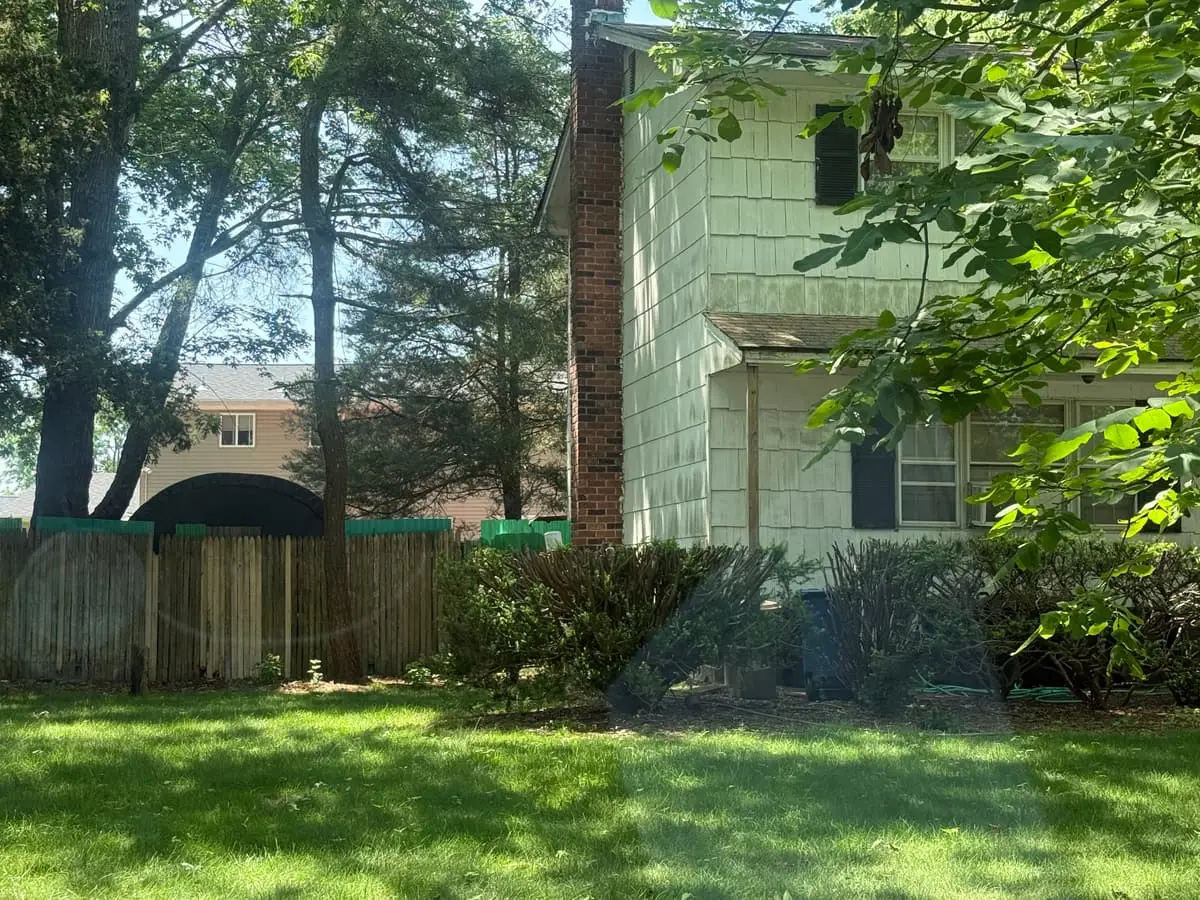
Clearing a Patchogue house before you downsize
Nearly everyone downsizing tells us the cleanout is the thing they have been putting off, not the sale. It is also the thing that makes people accept a lower listing price later, because after four weekends of it the will to keep going is gone.
We buy the house contents and all. Attic untouched, garage as it stands, the furniture you are not taking to the new place. Take the photographs and the paperwork, tell us you are done, and leave the rest.
The Patchogue market underneath this
The Patchogue median has barely moved year over year as of 2026-05, at 3.42%. Flat is the hardest market to price a fixer into, because there is no upward drift to cover a mistake and no urgency pushing buyers to overlook a problem. At a $605,000 median, Patchogue is a market where buyers expect to do some work. That helps a seller with a dated house and hurts one with a genuinely broken one, because the pool that will take on a project is not the same pool that will take on a gut. The median house here goes under contract in about 33 days, which is quick for Long Island. It is also a figure that only applies to property in showable condition.
A four-bedroom on Waverly Avenue. A four-bedroom on Camille Lane. A house on South Ocean Avenue. All of them in Patchogue, all bought by us.
Downsizing out of a Patchogue house that was never updated
The mechanicals are what matter on a Patchogue house of that age: the boiler, the electrical service, the roof. Those are the items a buyer's lender will flag, and they are expensive exactly when you are retiring and least want a large bill.
We are pricing all of it anyway, because we do this work every week at contractor rates. The same repairs cost us in the region of half what you would be quoted, which is why we can take on a house that a retail buyer's bank would decline.
How we arrive at a number on a home you are downsizing from
The honest answer on a home you are downsizing from is that we work backwards from what it is worth once it is fixed, subtract what fixing it costs, and subtract what we need to make for the risk of being wrong about either. There is no secret to it and no algorithm.
- What it is worth repaired. Not the Patchogue median of $605,000 on its own, but what houses like yours on your street actually closed at recently.
- What the work costs. Roof, boiler, electric, the kitchen and bath. In Patchogue the stock is largely colonial and cape cod, and on houses that age the mechanicals are usually the expensive part rather than the cosmetics.
- How long we will hold it. The median Patchogue house goes under contract in about 33 days once it is showable, then waits 45 to 60 days more on the buyer's lender. Ours has to get to showable first, and we carry taxes and insurance across the whole of it.
- What we are wrong about. Opening a wall finds things. That risk is priced in, which is a large part of why a cash number sits below a retail number.
Why the number works for us and not for you
This is the part most cash buyers are vague about, so here it is plainly. We run millions of dollars of construction a year. That volume buys materials at contractor pricing and keeps the same crews working year round, which means the identical renovation costs us roughly half what a homeowner would pay to have it done.
That gap is the business. It is also why doing the work yourself before selling so rarely pays: you would be buying the same roof and the same boiler at retail, then hoping the market hands it back to you at resale. It usually does not. We are not making money because you sold cheaply. We are making it because we build cheaply.
And if the number does not work for you, say so. We would rather hear that than talk anyone into anything. We will look at your situation and tell you honestly what we think your options are, including the ones that do not involve us. Plenty of people are better off listing with an agent, and when you are one of them we will say so rather than let you find out later.
Talk to a CPA before you downsize, not after
A house bought decades ago and held through every Long Island boom since can carry a large gain. There is a primary-residence exclusion, there are rules about how long you lived there, and there are consequences to getting the timing wrong.
Downsizing tax is a CPA's job and it is worth the appointment. Ask specifically about the exclusion and about your cost basis including the improvements you have made over the years, because people routinely forget decades of receipts that would reduce the bill.
How selling a home you are downsizing from in Patchogue works
- 1
You give us the address
The street address in 11772 and a sentence or two about the condition, by phone or the form. No photos needed, and nothing has to be cleaned or repaired first.
- 2
We walk through it once
A single visit by one person, normally under thirty minutes. With a colonial or cape cod built when most of Patchogue was, the roof, heating and electric matter far more to us than the kitchen does.
- 3
You see the number
Within a day you get our offer as one written figure. Get a Suffolk County agent's opinion alongside it if that helps. For a house that could go on the market as it stands, listing may come out ahead, and we will tell you if so.
- 4
You pick the closing date
Fast if you need fast, or months out if you are waiting on probate, a tenant, or somewhere to move to. Either way you skip the 78 to 93 days a listed Patchogue house spends finding a buyer and then waiting on that buyer's mortgage.
Taking your time over a Patchogue downsize
Nobody is going to chase you about downsizing. Take the number, sit with it, talk to your family, and call in three months or not at all. That is a completely normal outcome of these conversations and it is fine.
What we would suggest is getting the figure early rather than late, because it makes every other decision concrete. Where you can afford to move, whether you sell before you buy, what the CPA is actually working with.
Common questions
Can I stay in the Patchogue house until the place I am downsizing to is ready?
That is one of the more common requests and it is generally workable. The date is a term of the contract, so it is negotiated rather than dictated by somebody's lender.
Do we have to clear the house before we downsize?
No. Take what you want and leave the rest. The clearing is ours after closing and it does not move the number.
Will we pay capital gains tax when we downsize?
That is a CPA question and it depends on your gain, the primary-residence exclusion, and your cost basis including decades of improvements. Ask before you sign a contract, not after. It is the most valuable hour in this whole process.
Would a retiring owner get more listing it with an agent?
On a well-kept Patchogue house with no deadline, quite possibly, and we will tell you if we think so. Our number makes more sense when the house needs work you do not want to fund, or when the timing of the next place makes a months-long sale impractical.