You do not have to empty the inherited house
The part people dread most about inherited property is the cleanout. Forty years of a parent's life, and somebody has to decide what happens to all of it.
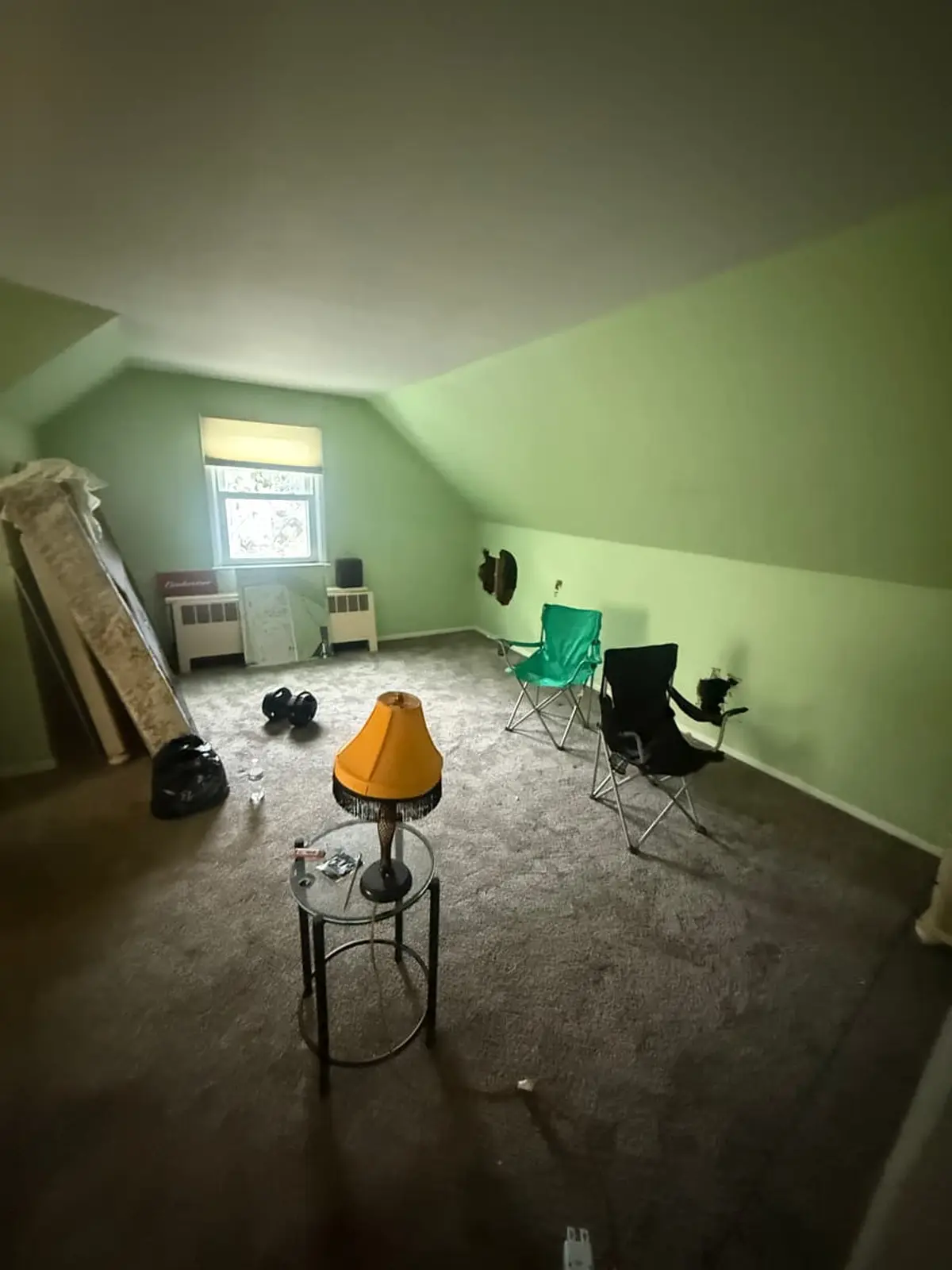
You can take what matters to you and leave the rest where it is. We buy the inherited house with the contents in place and handle the clearing ourselves. There is no charge for that and it does not come off the offer.
Working through Suffolk County estates with you
An inherited house arrives with four or five problems at once, and the people it happens to are grieving, which is not the state anyone wants to project-manage from.
That is the part we are genuinely useful for. We know what the Suffolk County process requires, what an executor can and cannot sign before authority is granted, and how to keep an inherited property insured and heated in the meantime. None of that costs you anything to ask about.
Why local knowledge changes the number
A four-bedroom on Waverly Avenue. A four-bedroom on Camille Lane. A house on South Ocean Avenue. All of them in Patchogue, all bought by us.
Patchogue is roughly 12,408 people in Suffolk County, ZIP 11772, and the housing stock is mostly colonial, cape cod, victorian. Around Main Street and the Patchogue Theatre, most of it is old enough that the mechanicals are on their second or third life. The Patchogue stop pulls buyers who commute, which supports the good houses and does very little for the ones that need a roof. We know which of these streets take water, where the older systems fail first, and what the Patchogue-Medford School District does to a resale price.
How long selling inherited property in Patchogue really takes
The usual question about inherited property is how fast it can be sold, and the honest answer is that the court sets the pace rather than the buyer.
We can be ready in days. The estate generally cannot. So we sign now, wait on the Riverhead court, and close when the executor has authority. That sequence is entirely routine for inherited houses and nothing about it should worry you.
Inherited property: as-is sale or Patchogue listing?
The median house in Patchogue sold for $605,000 and took about 33 days to go under contract, then another 45 to 60 days waiting on the buyer's mortgage. That is 78 to 93 days in total, for a house that was ready to show on day one. Inherited property is usually not ready. It may need a roof, a boiler, or thirty years of deferred maintenance addressed before a buyer's lender will sign off.
Paying for that work out of the estate and then splitting what is left often nets less than a clean cash sale that closes on your date. Run both numbers before you commit.
How we arrive at a number on an inherited house
The honest answer on an inherited house is that we work backwards from what it is worth once it is fixed, subtract what fixing it costs, and subtract what we need to make for the risk of being wrong about either. There is no secret to it and no algorithm.
- What it is worth repaired. Not the Patchogue median of $605,000 on its own, but what houses like yours on your street actually closed at recently.
- What the work costs. Roof, boiler, electric, the kitchen and bath. In Patchogue the stock is largely colonial and cape cod, and on houses that age the mechanicals are usually the expensive part rather than the cosmetics.
- How long we will hold it. The median Patchogue house goes under contract in about 33 days once it is showable, then waits 45 to 60 days more on the buyer's lender. Ours has to get to showable first, and we carry taxes and insurance across the whole of it.
- What we are wrong about. Opening a wall finds things. That risk is priced in, which is a large part of why a cash number sits below a retail number.
Why the number works for us and not for you
This is the part most cash buyers are vague about, so here it is plainly. We run millions of dollars of construction a year. That volume buys materials at contractor pricing and keeps the same crews working year round, which means the identical renovation costs us roughly half what a homeowner would pay to have it done.
That gap is the business. It is also why doing the work yourself before selling so rarely pays: you would be buying the same roof and the same boiler at retail, then hoping the market hands it back to you at resale. It usually does not. We are not making money because you sold cheaply. We are making it because we build cheaply.
And if the number does not work for you, say so. We would rather hear that than talk anyone into anything. We will look at your situation and tell you honestly what we think your options are, including the ones that do not involve us. Plenty of people are better off listing with an agent, and when you are one of them we will say so rather than let you find out later.
Our track record in Suffolk County
A four-bedroom on Waverly Avenue. A four-bedroom on Camille Lane. A house on South Ocean Avenue. A good share of what we buy is inherited property, and we are used to the pace an estate runs at. 15+ years on Long Island means we know the Patchogue streets, not just the ZIP code.
What inheriting a house does to your tax position
People assume they will be taxed on the whole sale price, or on the difference between what a parent paid decades ago and what the house sells for now. That is usually not how inherited property works, because of a rule about the value the property carries when it passes to you rather than what the original owner paid.
Taxes are a CPA's profession and a good one is worth the hour. Ask specifically about basis on inherited property, and ask before you sell rather than after.
What you do not pay when you sell an inherited house
Listing an inherited house the usual way brings each of these costs with it. Selling to us brings none of them.
- Agent commission
- $30,250 at 5% of the Patchogue median none
- Seller closing costs
- About $12,100 on a $605,000 sale. We can cover these. none
- Repairs to make it listable
- Whatever it takes to make it listable, paid in advance none
- Cleanout and removal
- Per truckload, before anyone views it none
- Carrying costs while it waits
- Taxes, insurance and utilities through the 78 to 93 days a listing takes to sell and close none
The mortgage on inherited Patchogue property
Tell the servicer early that the owner has died and that an estate is being opened. They deal with this constantly and there is a process for it.
Meanwhile keep the payments going if the estate can, because arrears on inherited property come out of the family's share in the end. If the estate has no cash to make payments, say so when we talk. It usually argues for moving faster rather than for giving up.
Common questions
Can we sell a Patchogue house before the estate is settled?
You can sign a contract on inherited property before the estate is fully settled, but the closing waits on the executor having authority from the Suffolk County Surrogate's Court. We are used to that sequence and we will wait it out on a signed contract.
There is still a mortgage on it. Does that stop you buying?
Not at all. What you should avoid is letting it fall into default while the estate is pending, because that creates a second and much harder problem.
Will we owe tax on selling an inherited Patchogue house?
That is a CPA question and worth an hour of one's time. Ask specifically about basis on inherited property. We can recommend accountants who handle estates if you do not have one.
What if the siblings disagree?
Every person on the deed has to sign. What we can do is put a firm written number in front of everyone at the same time, so the conversation is about one real offer rather than a range somebody guessed at.
Do we need to clear the Patchogue house out first?
No. Take what you want and leave the rest. We clear the inherited house ourselves and it does not reduce the offer.